Your Home Begins Before You Reach the Living Room
Think about the first ten feet after you open your front door.
What happens there?
You put down your keys.
Take off your shoes.
Drop your bag.
Check your phone.
Maybe you carry in groceries.
Maybe the dog is waiting.
Maybe children are coming through the door behind you.
Within seconds, one of the smallest areas of the home can become one of the busiest.
That's why a smarter home shouldn't necessarily begin with an expensive appliance.
It can begin with the first ten feet.
Why Entryway Clutter Happens So Easily
Entryways are transition spaces.
They connect two completely different environments:
the outside world and your home.
That means objects naturally accumulate there.
Keys.
Mail.
Shoes.
Packages.
Sunglasses.
Bags.
Charging cables.
Earbuds.
Portable batteries.
The problem isn't necessarily that you own too much.
Often, the problem is that frequently used items don't have a predictable destination.
When there is no system, every flat surface becomes temporary storage.
Temporary storage eventually becomes permanent clutter.
STEP 1 — CREATE A LANDING ZONE
Start with the things you touch immediately after coming home.
Ask:
What do I put down during the first 60 seconds?
Create specific places for those items.
For example:
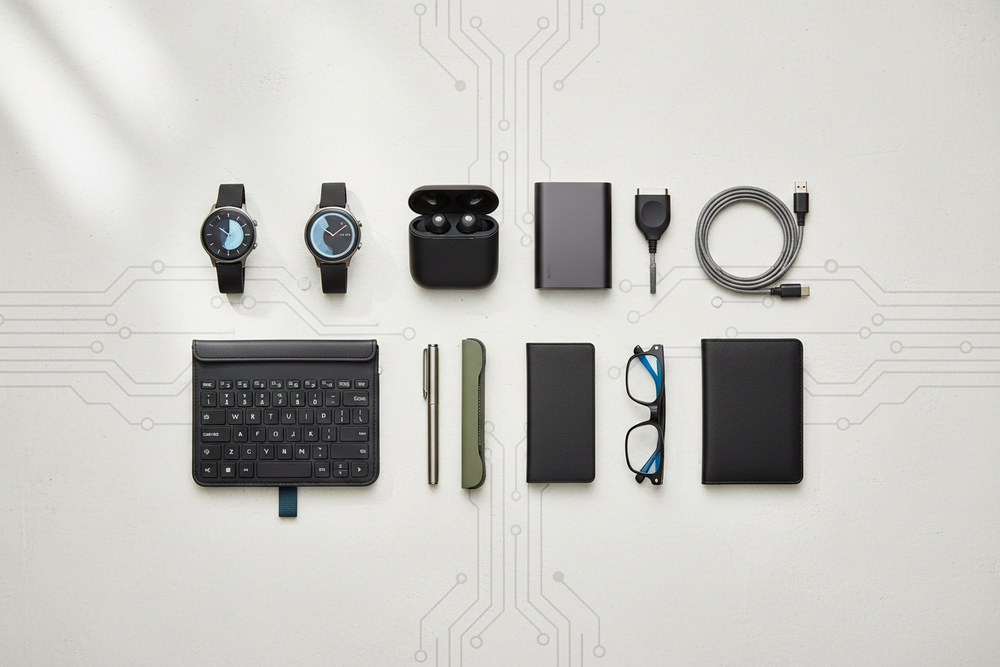
Keys → tray or hook
Wallet → organizer
Work bag → designated hook or shelf
Shoes → shoe area
Earbuds → charging station
Power bank → charging area
The objective isn't perfection.
It's predictability.
You shouldn't need to decide where your keys belong every evening.
The decision should already be made.
STEP 2 — THINK ABOUT TOMORROW MORNING
A well-designed entryway doesn't only make arriving easier.
It makes leaving easier too.
Imagine tomorrow morning.
Instead of asking:
“Where are my keys?”
“Did I charge my earbuds?”
“Where did I put the power bank?”
everything is already waiting in one location.
That's an important principle of convenient living:
A good evening system creates an easier morning.
STEP 3 — ADD LIGHT WHERE IT ACTUALLY HELPS
Entryways and hallways can be awkwardly lit, especially early in the morning or late at night.
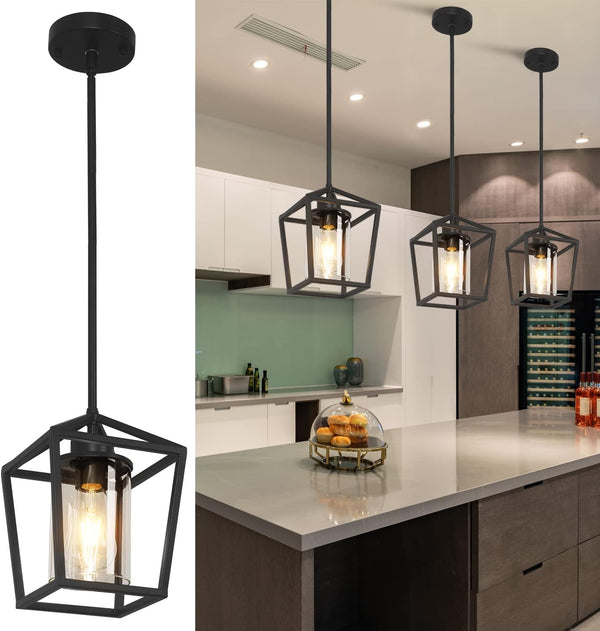
Appropriate motion-activated or rechargeable lighting may add convenience in suitable locations.
Think about areas such as:
Entryways.
Hallways.
Closets.
Stair approaches.
Storage areas.
The purpose isn't creating a futuristic light show.
It's simply removing another repeated action:
reaching for a switch while your hands are full.
Always select and install lighting products according to their intended environment and instructions.
STEP 4 — BUILD A SMALL CHARGING POINT
Your main charging station may belong in the bedroom or office.
But an entryway can be a useful secondary location for portable electronics.
For example:
Earbuds.
Power banks.
Rechargeable lights.
Other compatible portable devices.
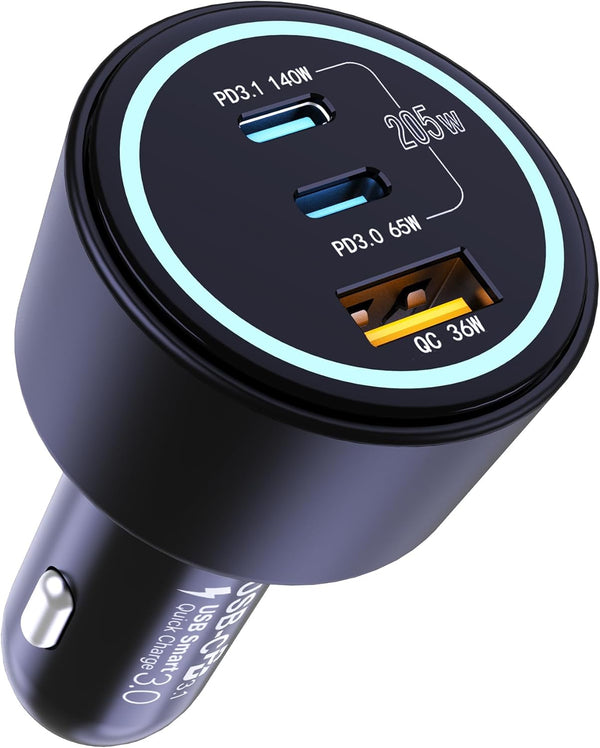
A suitable multi-port charging solution may help organize several compatible electronics while reducing loose adapters.
Before connecting devices, always confirm charging specifications and compatibility.
STEP 5 — KEEP A QUICK-CLEAN TOOL NEARBY
The entryway is where outdoor dirt first enters the home.
Dust.
Sand.
Leaves.
Small debris.
Instead of allowing these to move deeper into the house, consider keeping a compact cleaning tool accessible.
A cordless handheld vacuum can be particularly useful for quick maintenance.
The easier a cleaning product is to access, the more likely you are to use it when the mess is still small.
THE FIVE-MINUTE EVENING ENTRYWAY RESET
Before settling in for the evening:
☐ Return keys
☐ Put shoes away
☐ Hang bags
☐ Recycle unnecessary mail
☐ Recharge portable electronics if needed
☐ Remove visible debris
☐ Prepare tomorrow's essentials
This should take only a few minutes.
You're not cleaning the entire house.
You're preparing the first ten feet.
WHAT TO CONSIDER BEFORE BUYING ENTRYWAY DEVICES
Before adding another product, ask:
Is it compact?
Entryways usually have limited space.
Does it solve a repeated problem?
Avoid adding technology simply because it looks interesting.
Does it require permanent installation?
Renters should check installation requirements and lease restrictions.
Is it easy to maintain?
A convenience product shouldn't create disproportionate maintenance.
Will I actually use it?
Frequency matters more than novelty.
THE SMART EASYON APPROACH
A smart entryway isn't impressive because guests see advanced technology.
It's successful because nobody has to think very much.
Keys are where they belong.
Lighting appears where useful.
Portable devices are ready.
The floor stays easier to maintain.
You arrive home and simply...
come home.
That's smart convenience.
Final Thoughts
If you want to make your home feel more organized, don't begin by trying to redesign every room.
Start with the first ten feet.
Solve the first few frustrations.
Create a predictable landing zone.
Then notice how much easier both arriving and leaving become.
Recommended Smart Easyon Collections
Smart Lighting
Charging & Power
Handheld Cleaning
Home Organization